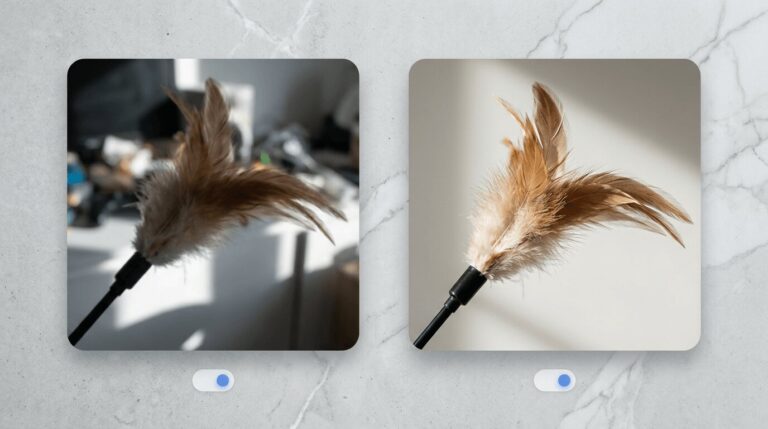
AI product photography
Common AI product photography mistakes (and how to fix them)
Avoid the most common AI product photography mistakes. Learn how to fix bad results and create high-quality product images consistently.
Read more
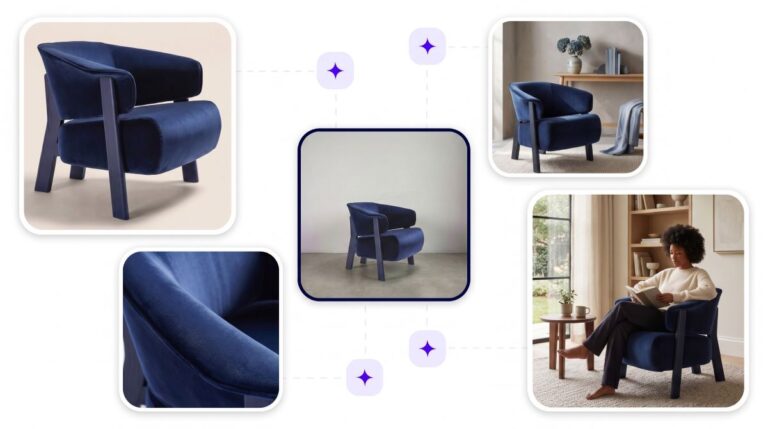
AI is transforming how ecommerce brands create product images. What once required expensive studios, photographers, and long production timelines can now be done in minutes.
In this guide, you’ll learn everything you need to know about AI product photography in 2026 — how it works, why it matters, and how to use it to create high-converting visuals for your store.
AI product photography uses artificial intelligence to generate or enhance product images without the need for a traditional photoshoot.
Instead of setting up lights, backgrounds, and cameras, you:
The result: studio-quality or lifestyle images created instantly.
Traditional product photography has clear limitations:
AI removes these barriers.
Speed
Create images in seconds instead of days.
Cost efficiency
No need for studios, props, or photographers.
Scalability
Generate hundreds of variations instantly.
Flexibility
Change backgrounds, lighting, and styles anytime.
Consistency
Maintain a uniform brand look across all products.
Place your product in real-world environments.
These images often increase conversions.
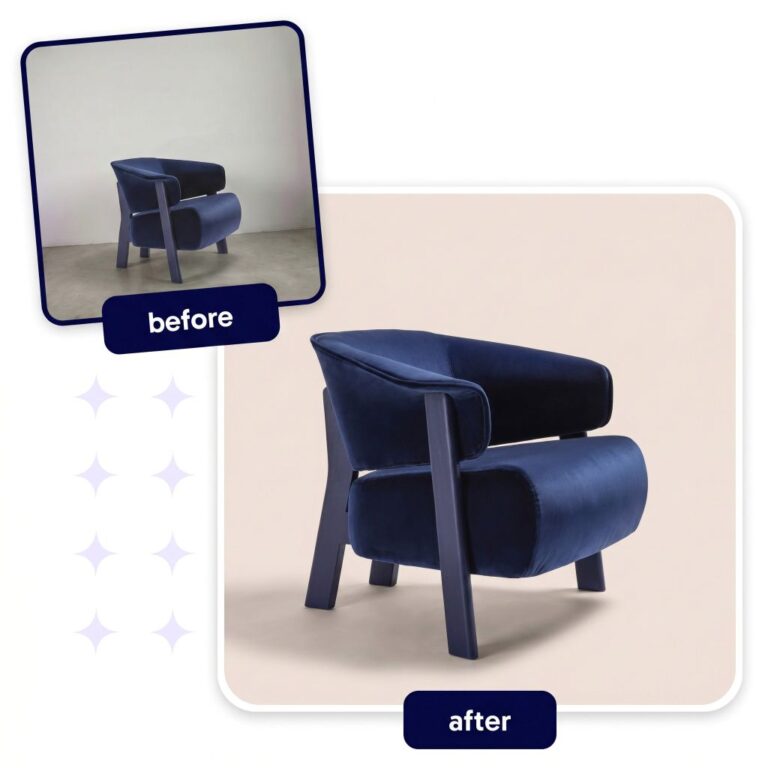
Clean, professional images with perfect lighting and backgrounds.
Ideal for Amazon listings, product pages, and catalogs.
High-end, artistic visuals for ads and branding.
Generate multiple versions of the same product with different styles, environments, and moods.
Start with a clear photo of your product.
Select a preset or write a prompt like “minimalist bathroom with soft lighting.”
The AI adjusts lighting, shadows, perspective, and reflections.
Make adjustments and download your final image.
For most ecommerce brands, AI is now the default starting point.
Most brands use a hybrid approach.
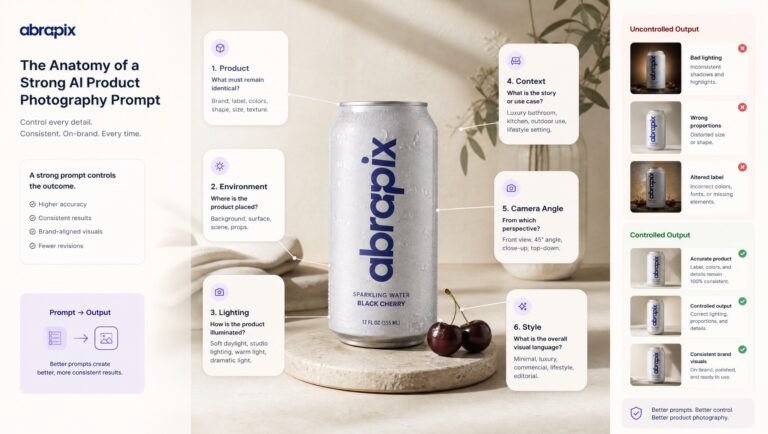
The better your input, the better the output.
Be specific about the environment and lighting.
Stay consistent with colors, lighting, and mood.
Generate multiple versions and choose the best.
Use different styles for Amazon, ads, and social media.
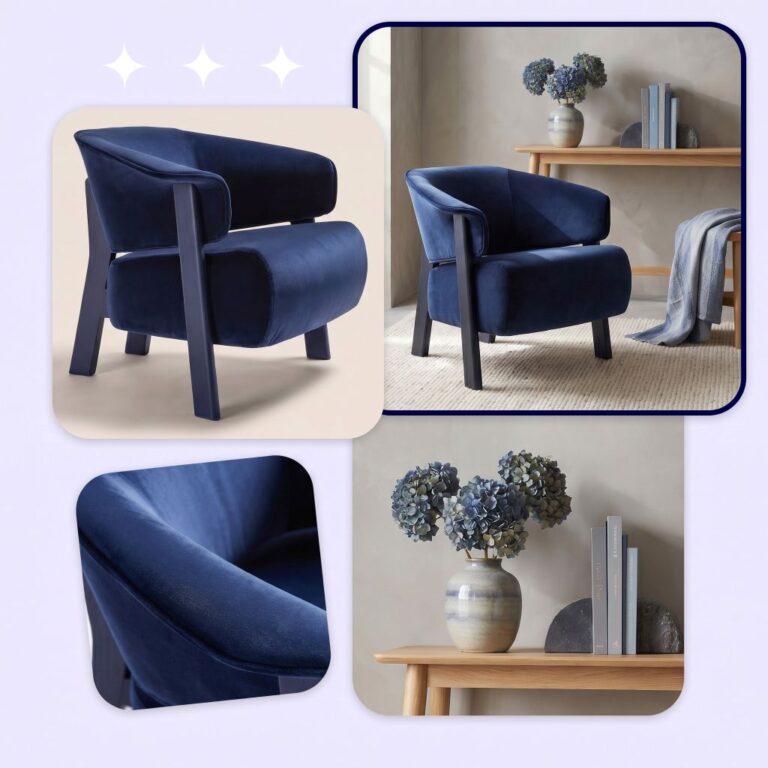
Better visuals lead to better performance.
Many brands see higher click-through and conversion rates after improving visuals.
In the coming years, expect:
AI won’t replace creativity — it will amplify it.
Start creating high-converting product images with Abrapix today
AI product photography is becoming the standard for ecommerce.
If you sell products online, the question is no longer if you should use AI — but how quickly you can start.
Yes, modern tools create highly realistic images with proper lighting and shadows.
No, most tools are beginner-friendly.
Yes, as long as they meet platform guidelines.
In most cases, yes — especially at scale.
Use clear inputs, test variations, and stay consistent.
AI product photography
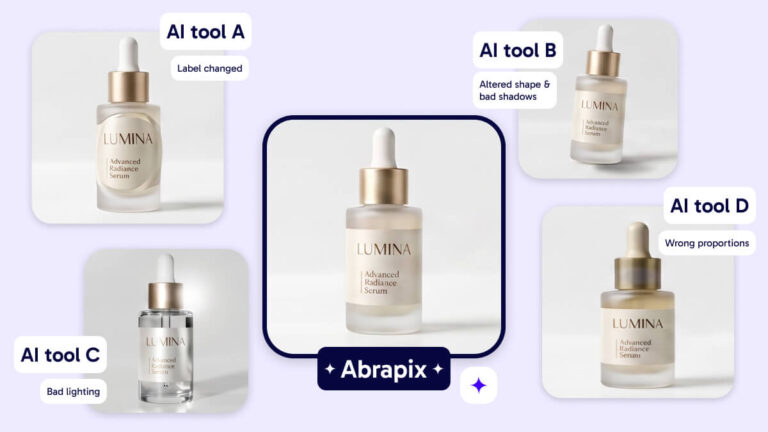
Avoid the most common AI product photography mistakes. Learn how to fix bad results and create high-quality product images consistently.
Read more
AI product photography
Learn how to write better AI product photography prompts. This guide shows how to create high-quality product images with simple,…
Read more
AI product photography
Discover the best AI product photography tools in 2026. Compare features, pricing, and results to find the right tool for…
Read more
Create an account and try Abrapix today with 75 free credits. Experience the magic of AI-powered image generation!